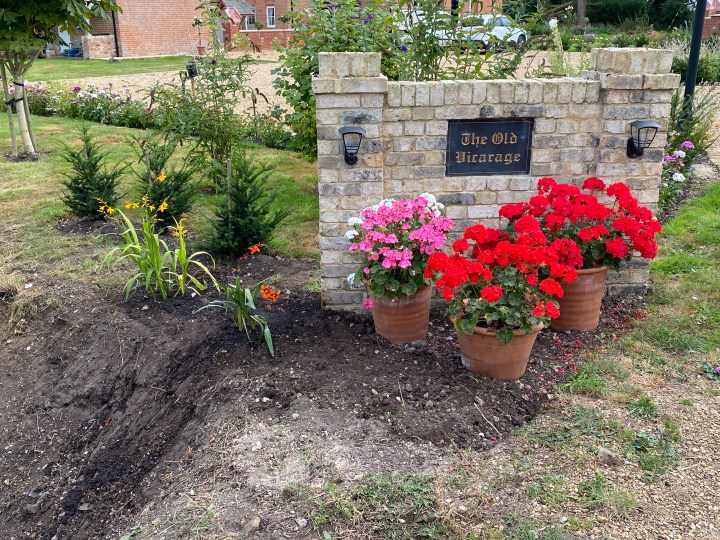
Let me welcome you to the homepage of the ‘The Old Vicarage of St. John the Evangelist’, Little Ouse, Nr Ely Cambridgeshire.
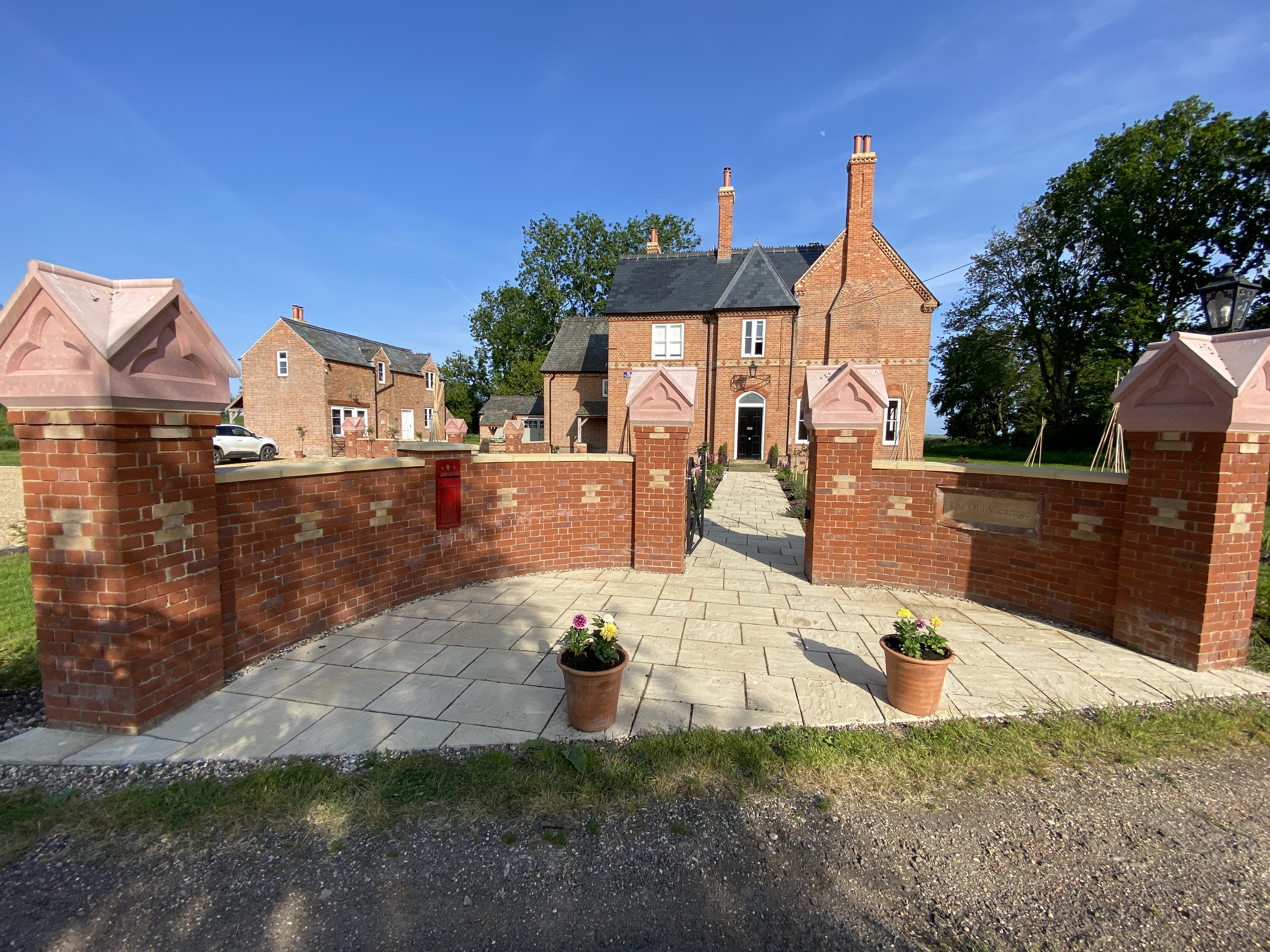
The Vicarage sits in a delightful spot on the banks of the Little Ouse amidst its substantial gardens of two acres. It is a substantial red brick property built in 1869. Its styling with a gothic influence can also be described as following that of the Arts and Crafts movement with a design leaning towards that of the Red House in Bexleyheath, built in 1859 and designed by William Morris. Although not a copy of this great National Trust house, the Vicarage bears several features which pay homage to that groundbreaking house. These include red-brick infilled arches above windows and doors as well as internal arches lending themselves to this movement and the gothic, as well as the stying of a modest Italianate tower over the main entrance.
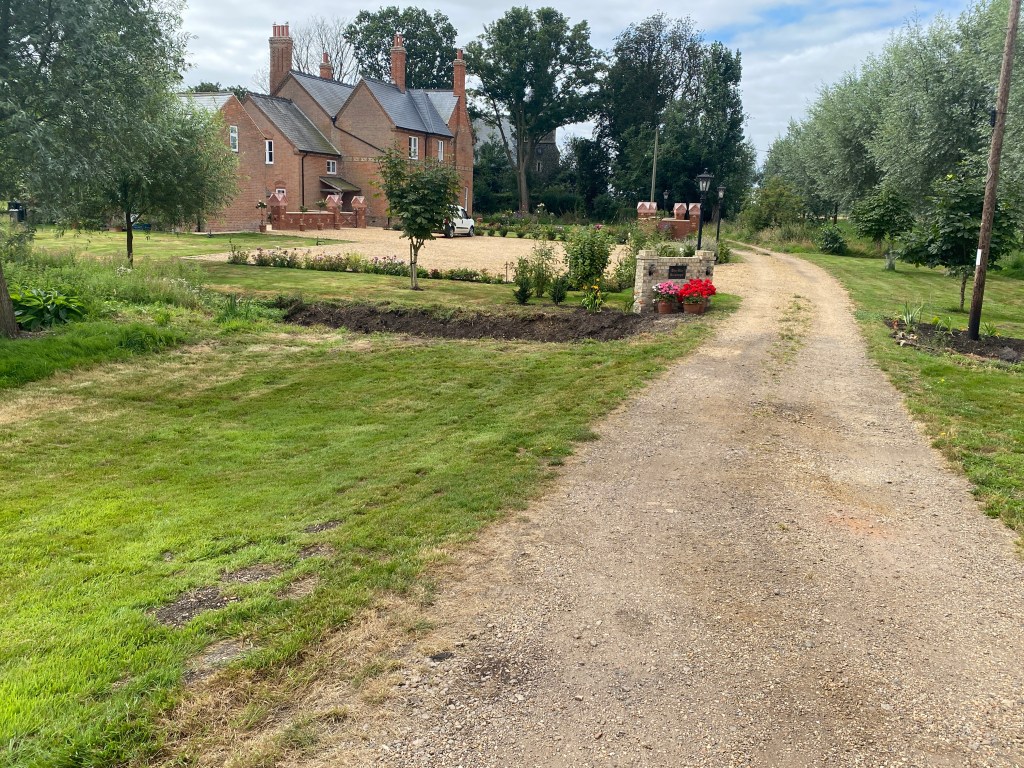
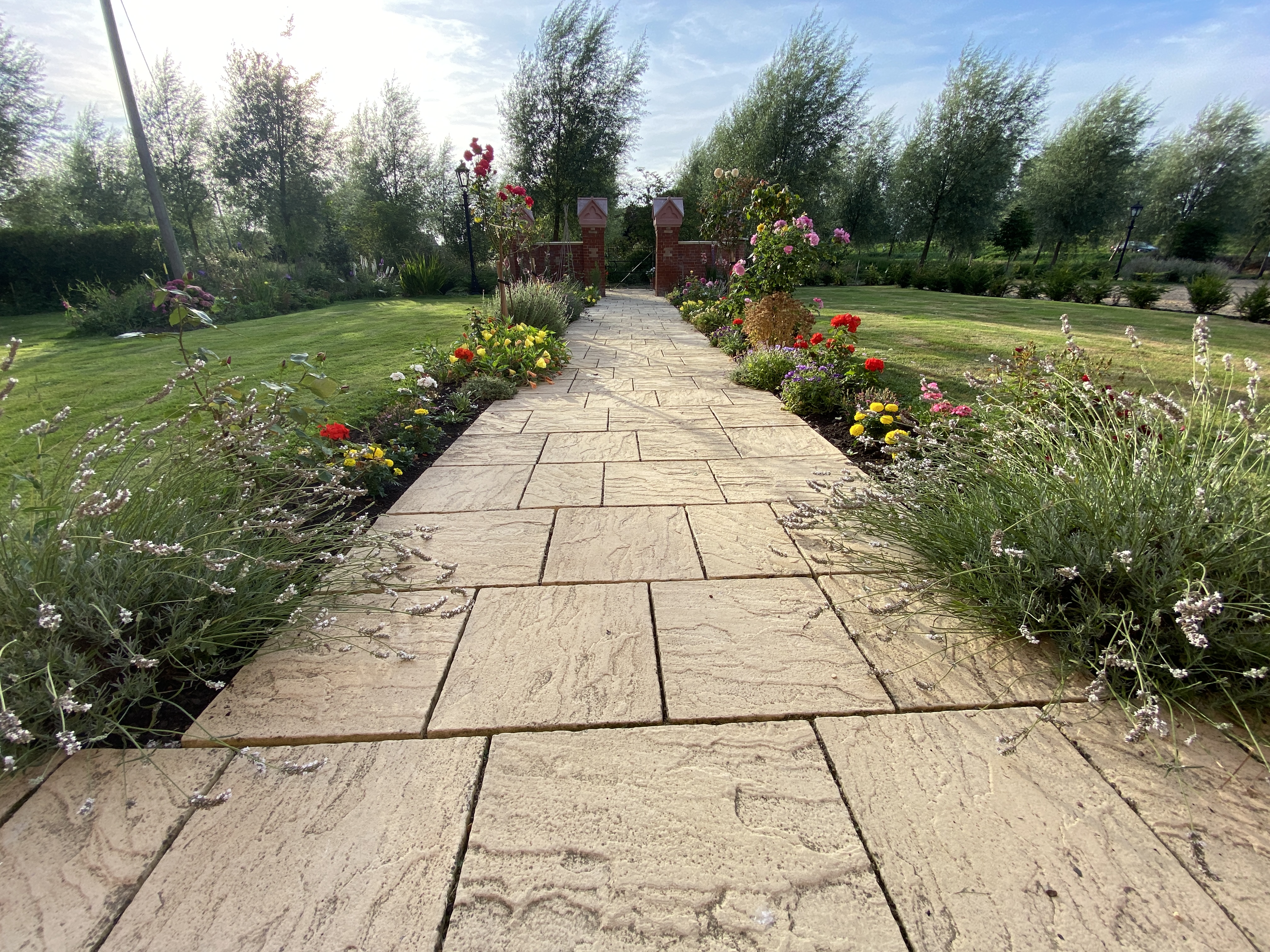
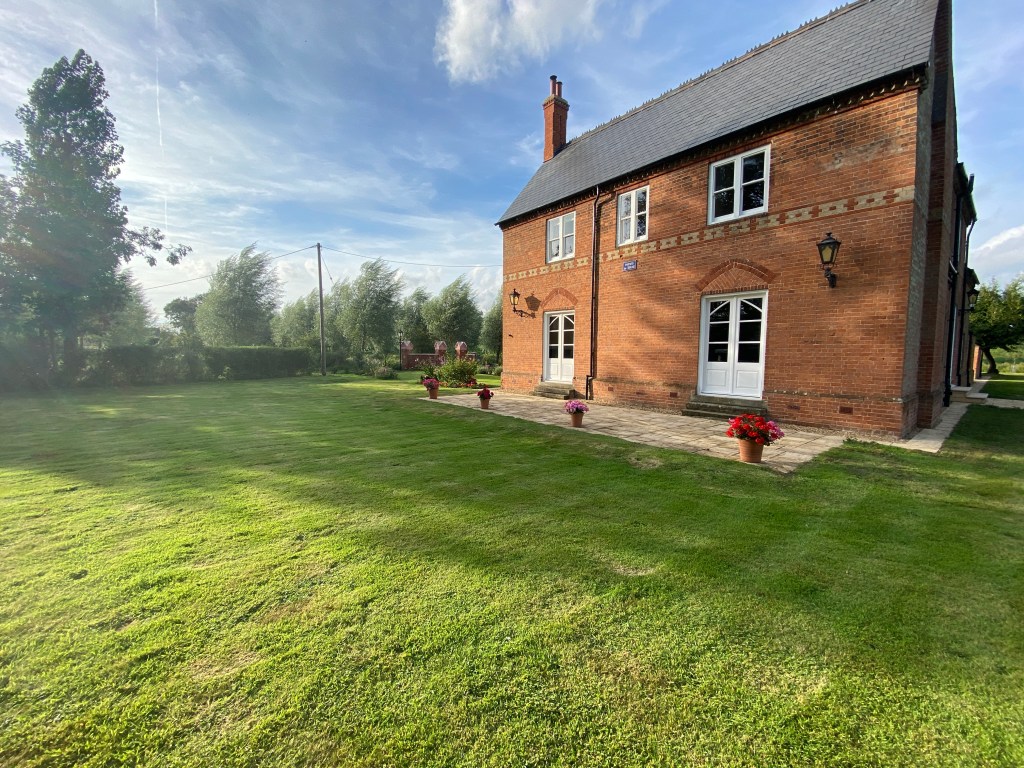
The Old Vicarage has undergone a thorough renovation and restoration. While preserving its history, the property is now equipped to serve the current century.
Books featuring The Old Vicarage:
- Tales of the Fens (no picture)
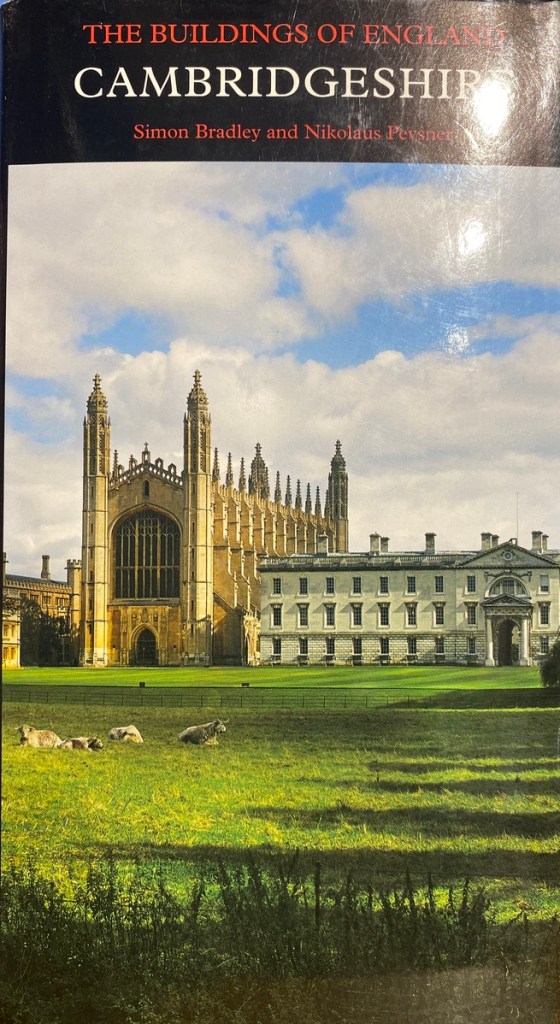
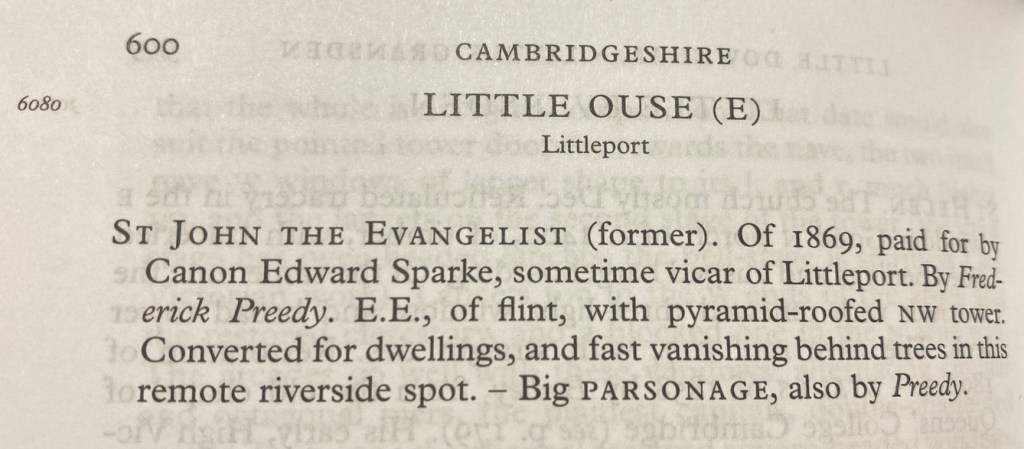
- The Buildings of England – Cambridgeshire – 2014 – Bradley and Pevsner. A brief mention attributing the parsonage to the renowned Victorian architect Frederick Preedy.
- Kelly’s Directory (the Yellow pages of its day) – Listings from the 1892 and 1904 editions for Little Ouse shown
- The Water Clock – There are a few sections that mention both the church and the vicarage. The author by all accounts used to visit the church after it was decommissioned.
Although the book lists the architect as Frederick Preedy, the builder was from Littleport. I did find an entry once, that on certain days he used to have his brick cart cleaned off and he also acted as the undertaker.
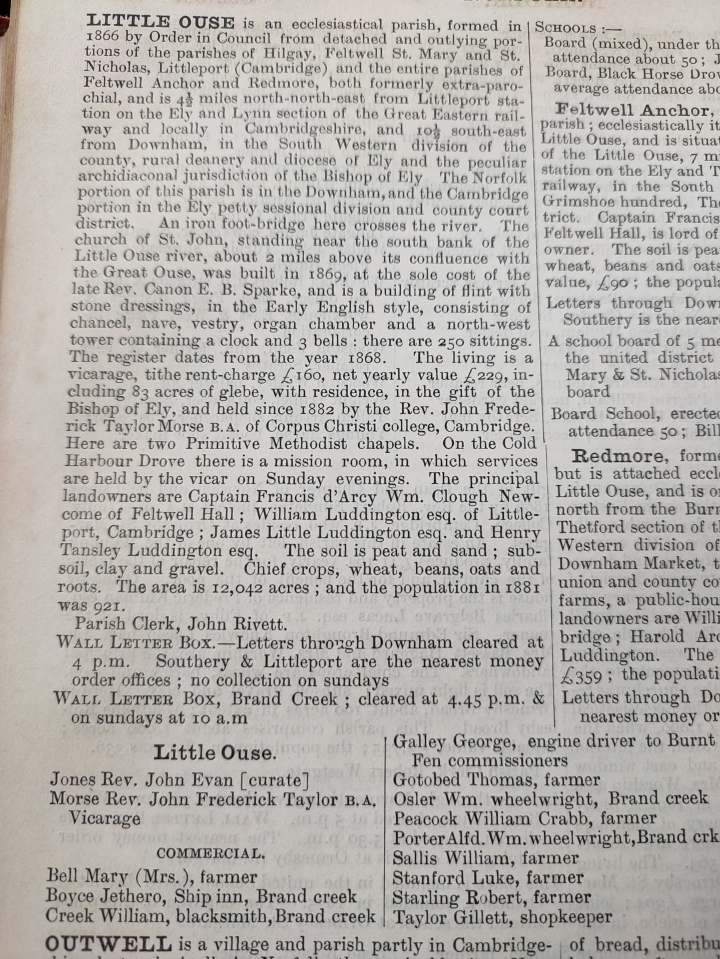
Kelly’s Directory (the Yellow pages of its day) – Listings from the 1892 for Little Ouse
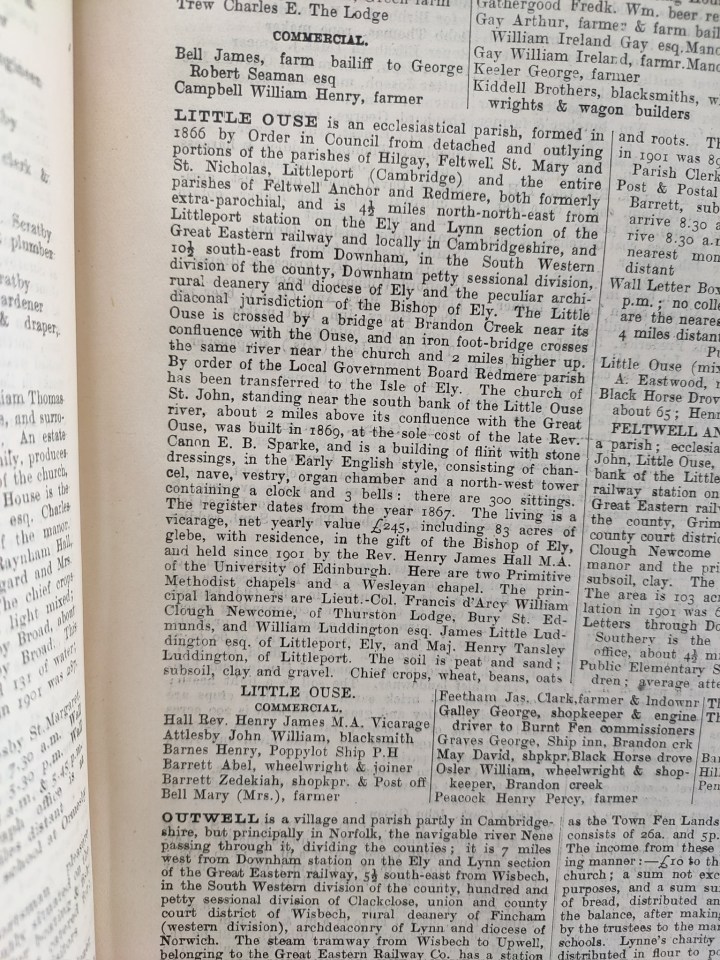
Kelly’s Directory (the Yellow pages of its day) – Listings from 1904 edition for Little Ouse
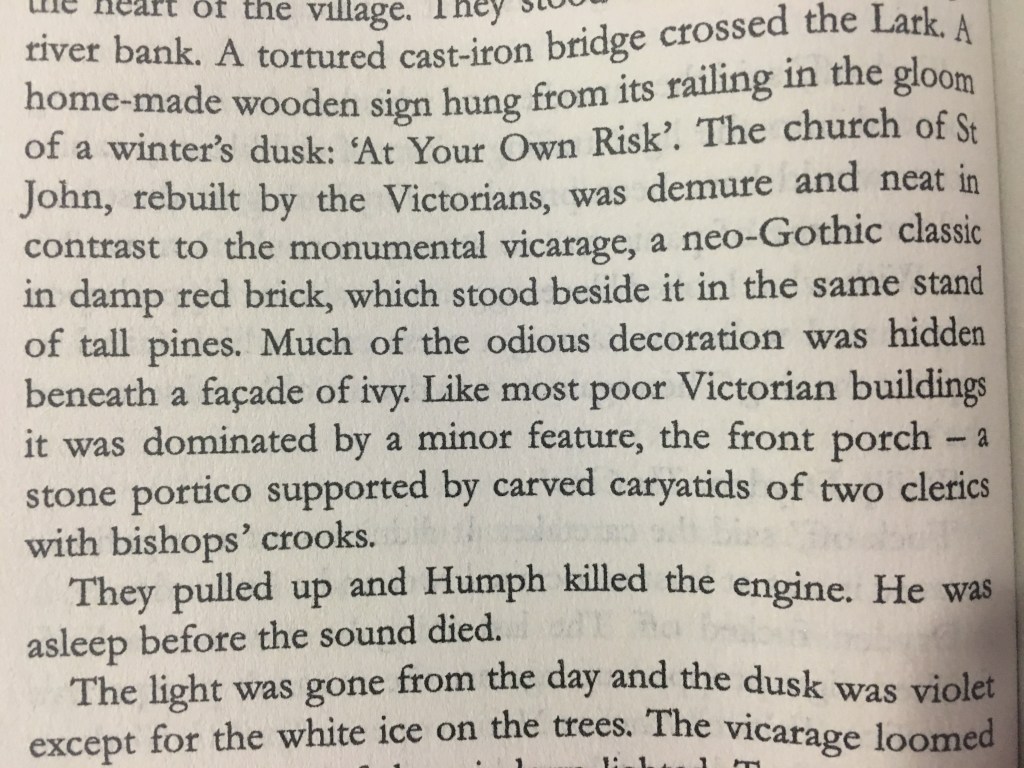
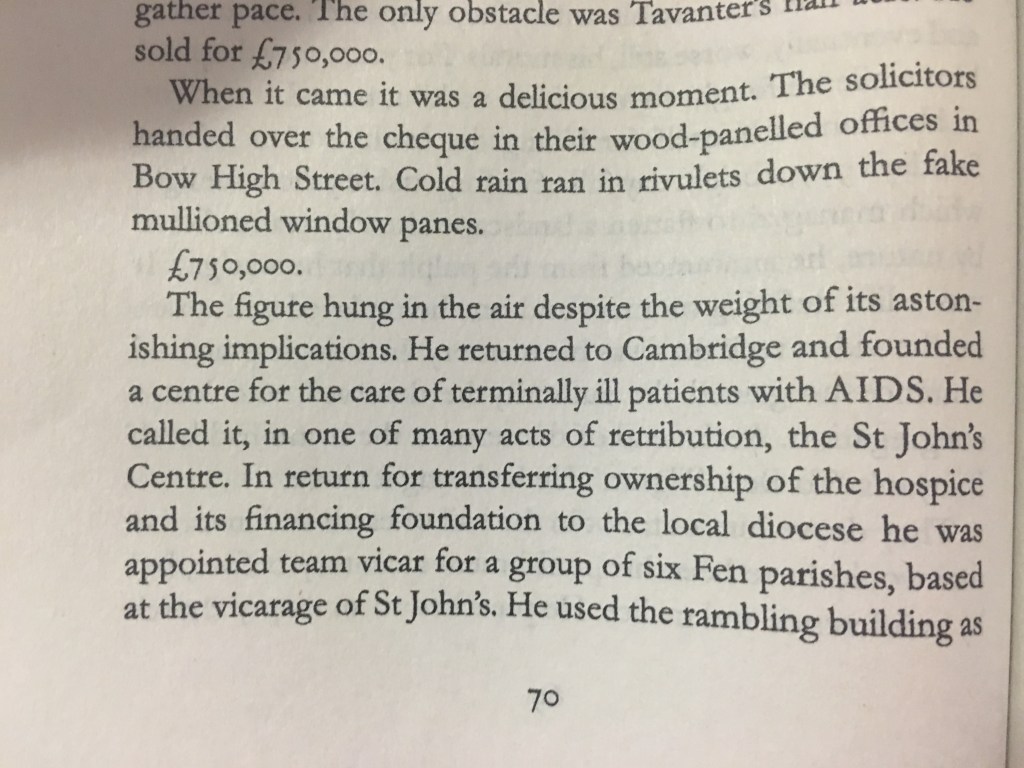
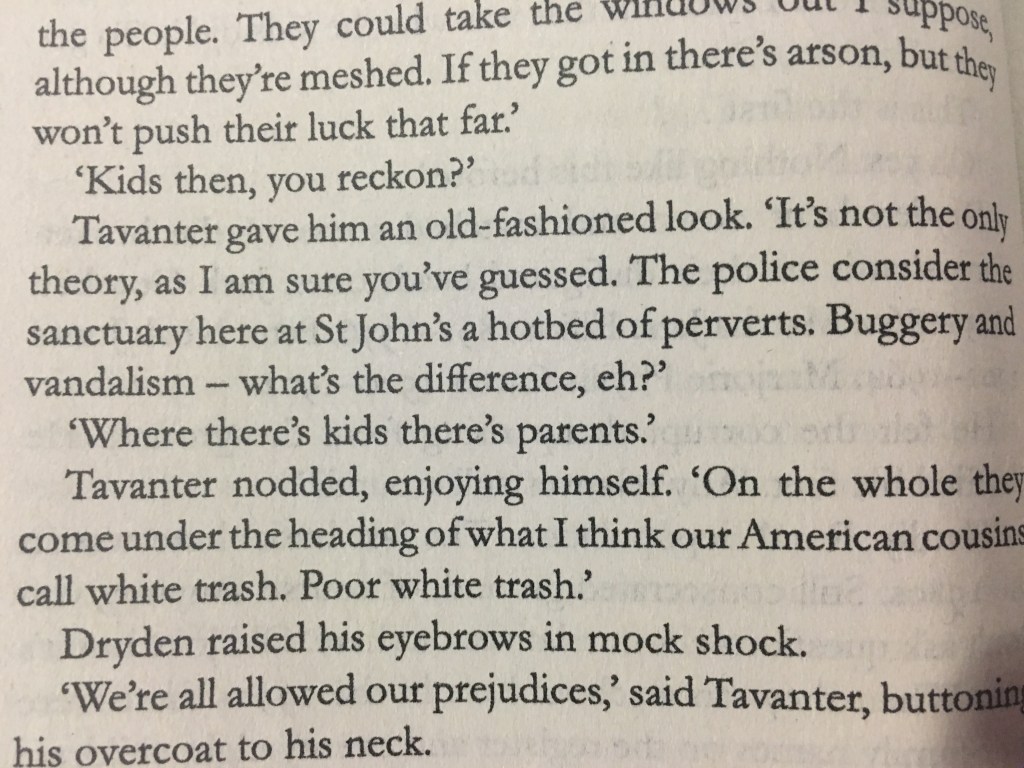
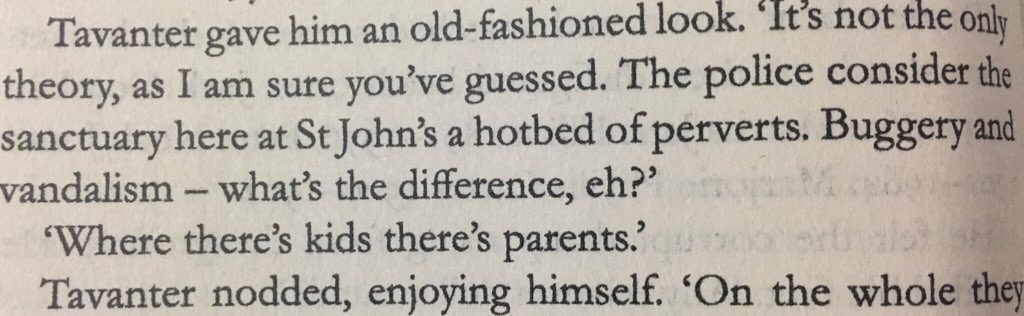
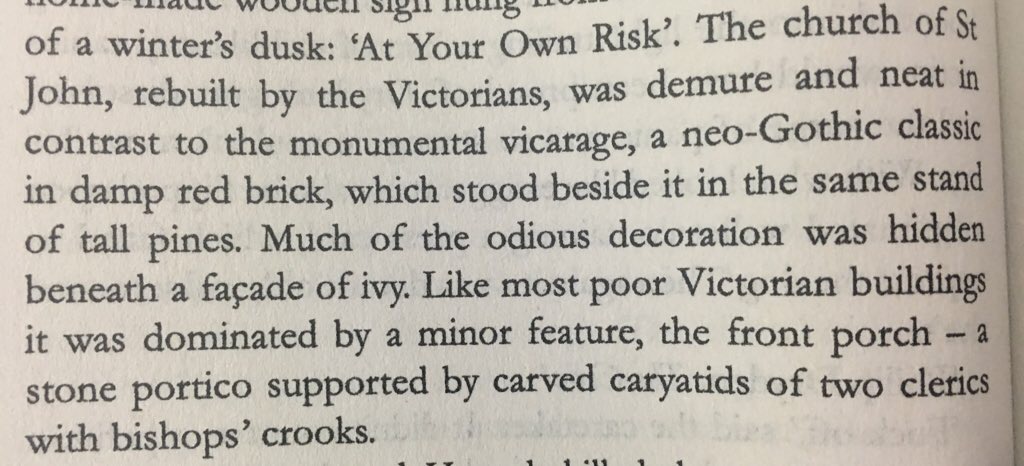
The Vicarage and Church at Little Ouse were build by the Rev E. B. Sparke some details below. It appears though he may have visited, he never lived in Little Ouse. Being the rector of St. Mary’s, Feltwell from 1831 to his death in 1879.
The following is taken directly from – Forebears page on Little Ouse
“LITTLE OUSE is an ecclesiastical parish, formed in 1866 by Order in Council from detached and outlying portions of the parishes of Hilgay, Feltwell St. Mary and St. Nicholas, Littleport (Cambridge) and the entire parishes of Feltwell Anchor and Redmere, both formerly extra-parochial, and is 4 ½ miles north-north-east from Littleport station on the Ely and Lynn section of the Great Eastern railway and locally in Cambridgeshire, and 10 ½ south-east from Downham, in the South Western division of the county, Downham petty sessional division, rural deanery and diocese of Ely and the peculiar archidiaconal jurisdiction of the Bishop of Ely. The Little Ouse is crossed by a bridge at Brandon Creek near its confluence with the Ouse, and an iron foot-bridge crosses the same river near the church and 2 miles higher up. By Order of the County Council Redmere parish has been transferred to Cambridgeshire. The church of St. John, standing near the south bank of the Little Ouse river, about 2 miles above its confluence with the Great Ouse, was built in 1869, at the sole cost of the late Rev. Canon E. B. Sparke, and is a building of flint with stone dressings, in the Early English style, consisting of chancel, nave, vestry, organ chamber and a north-west tower containing a clock and 3 bells: there are 250 sittings. The register dates from the year 1868. The living is a vicarage, tithe rent-charge £160, net yearly value £229, including 83 acres of glebe, with residence, in the gift of the Bishop of Ely, and held since 1882 by the Rev. John Frederick Taylor Morse B.A. of Corpus Christi college, Cambridge. The Rev. Frank Harold Surridge has been curate-in-charge since 1893. Here are two Primitive Methodist chapels and a Baptist chapel. On the Cold Harbour Drove there is a mission room, in which services are held by the curate-in-charge on Sunday evenings. The principal landowners are Lieut.-Col. Francis d’Arcy Wm. Clough Newcome J.P. of Feltwell Hall; and William Luddington esq. James Little Luddington esq. and Capt. Henry Tansley Luddington, all of Littleport, Cambs. The soil is peat and sand; subsoil, clay and gravel. Chief crops, wheat, beans, oats and roots. The area is 12,042 acres; and the population in 1891 was 924.
Schools: —
Board (mixed), under the Littleport School Board, average attendance about 58.
Board, Black Horse Drove (mixed), under the same board, average attendance about 45.”
The following is taken directly from – Feltwell net (the
It deals directly with the Rev E. B. Sparke whose church fortune built or enhanced several churches and vicarages in the area, including the now Old Vicarage at Little Ouse.
“Edward Bowyer Sparke, rector of Feltwell 1831-79, was the son of Bowyer Edward Sparke, who was Bishop of Chester, 1809-12, and Bishop of Ely 1812-36. The late Walter Rye, the Norfolk Antiquarian whose pen at times Hill was dipped in gall, says that Bishop Sparke died in 1836 aged 76, “having in his tenure of office amassed a great fortune, as Bishops of the old type often did.” Canon Sparke held the benefice of Feltwell, valued in 1831 at £1208; he was Canon Residentiary of Ely, the income of which was £303 and house; he was Registrar of the Diocese of Ely, which also brought grist to the mill; he owned 7,000 acres and was a man of decidedly large means. He was also most generous, for he built entirely at his own cost the Parish Church of Little Ouse and I believe built the North Aisle and Vestry of St. Mary’s Church, Feltwell, at a cost of £1,500, which was no small sum of money in those days. That Canon Spark was a good parish priest can be seen from the fact that he enlarged the Parish Church and in doing so doubled the seating capacity to accommodate the congregation. The late Mr Symonds, of Feltwell, once told me that the Church was generally full in Canon Spark’s time and explained that he was an open-handed man in the parish. I said that if it were merely a matter of loaves and fishes, attending church was not of much use; and he replied: “At all events he got them there and could speak to them from the pulpit.
Perhaps one of Canon Spakes last acts was this:-
A memorandum signed by Rev. E. B. Sparke and John Jacob states that on 15th April, 1879, they distributed the sum of £17-5/- which had been subscribed by 35 people (named) to “the sufferers by the late fires”. There were 10 claimants, namely, Bartlett, Brown, Robert Hodson, Josh, Cole, Margetson, Adams, Hodgson, Chilvers and Spencer. From a list of the items lost in the fires it would appear that the more serious damage was confined to outhouses.
Canon Spark married Catherine Maria, sister of Clough Newcome, and there was one child of the marriage, Maria Hester, who married Henry Morris Upcher, J.P. and D.L., of Sheringham Hall; High Sheriff for Norfolk 1899.“
“EDWARD BOWYER SPARKE was born in Bristol in January 1805; he was one of the sons of Dr B E Sparke MA who was Bishop of Chester, later to become Bishop of Ely. The Reverend Canon Edward Bowyer Sparke was Rector of Feltwell from 1831 to 1879 and was very wealthy; he was the benefactor of our windows, and also made many other gifts to St Mary’s. He married Catharine Maria Newcome, daughter of Reverend William Newcome MA; their only daughter Maria Hester was baptised in St Mary’s in 1836.“


 The Old Vicarage B&B, Little Ouse
Leave a comment